Does Vinyl Plank Flooring Increase Home Value?
Key takeaway
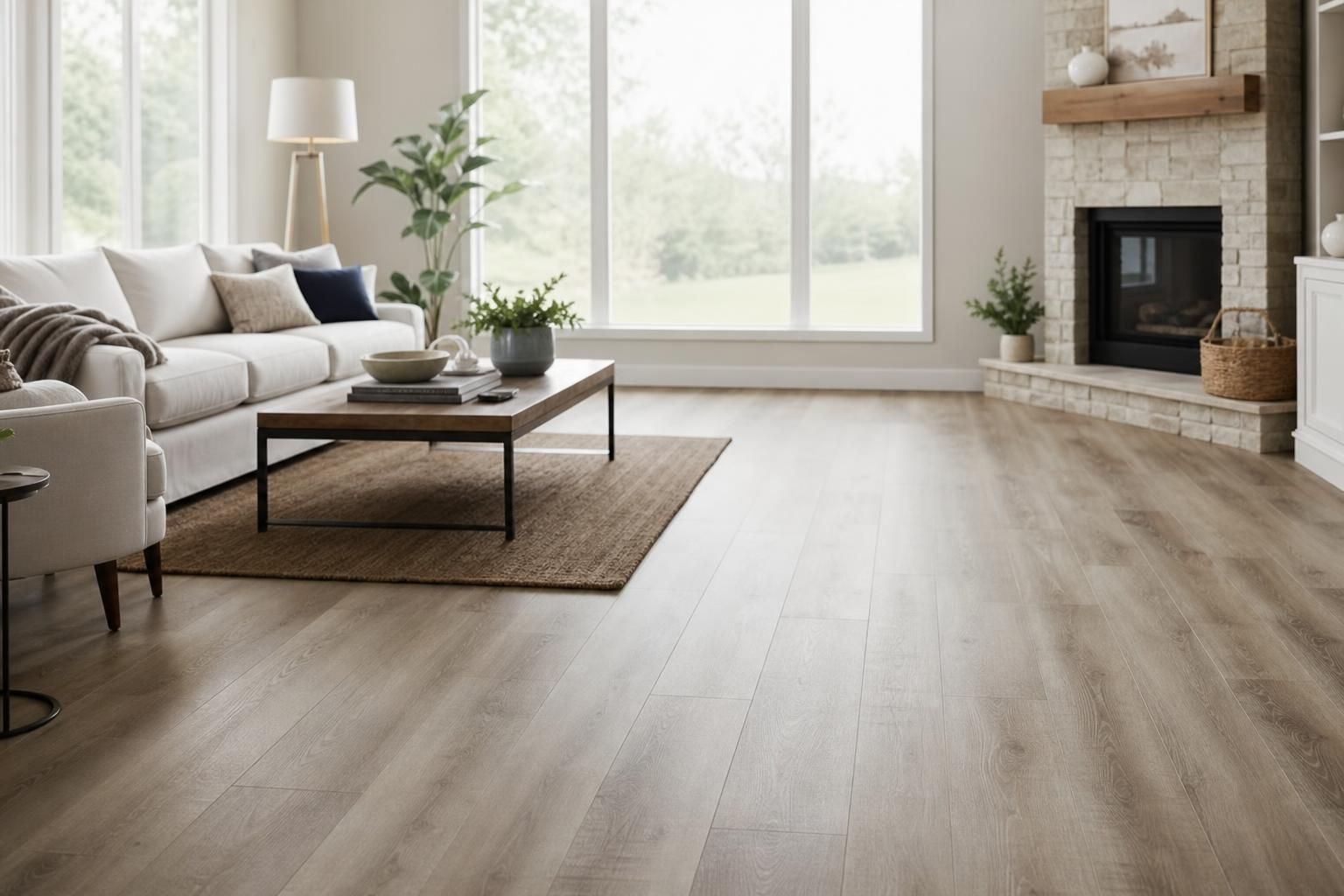
Waterproof vinyl plank flooring generally helps home value by replacing worn, dated, or water-damaged flooring with a durable, move-in-ready surface — which is the condition most buyers and appraisers reward, even though the material itself isn't a luxury upgrade the way hardwood or stone can be. It adds the most value when it replaces failing carpet or cracked tile in wet areas, and the least when it's swapped in over floors that were already in good shape. For landlords, flippers, and contractors pricing multiple units, the return comes less from the material and more from buying it at the right volume and getting it installed without delay.
Key takeaways
- Vinyl plank raises value mainly by fixing a problem (worn carpet, cracked tile, moisture damage) — not as a standalone luxury feature.
- Waterproof SPC and vinyl plank hold up better than laminate in kitchens, entries, and bathrooms, which matters more in a rental or resale context than in a showpiece home.
- Contractors buying for flips or multi-unit jobs get better margins from wholesale tiers than from repeated retail purchases — worth setting up before bidding a job.
Why flooring condition matters more than flooring material
Appraisers and real estate agents don't typically list "vinyl plank" as a value driver on its own. What moves a valuation is the condition of the flooring relative to the rest of the house: buyers subtract value for flooring they'll have to replace, and they don't add a premium for flooring they simply won't notice because it looks clean and current. The National Association of Realtors publishes remodeling research that consistently ranks flooring replacement among projects with strong buyer appeal, precisely because bad flooring is one of the fastest things a buyer mentally deducts from an asking price.
That means the value question isn't really "vinyl plank vs. nothing" — it's "vinyl plank vs. whatever it's replacing." Replacing 20-year-old stained carpet with waterproof plank is a clear upgrade. Replacing flooring that's already in decent shape is a wash at best.
Where waterproof vinyl plank earns its keep
Vinyl plank and SPC do best, value-wise, in the rooms where moisture is the enemy of resale:
- Kitchens and entries — high foot traffic, frequent spills, and the first thing a buyer sees on a walkthrough.
- Bathrooms and laundry rooms — areas where tile has historically been the default, but what is SPC flooring explains why rigid-core waterproof planks compete well on both cost and performance.
- Rental units and condos — tenants are harder on floors than owner-occupants, and waterproof cores resist the swelling and buckling that sinks the resale case for laminate.
- Lanai-adjacent rooms — Hawaii's humidity and blowing rain make moisture tolerance a bigger factor here than in drier mainland climates.
Where it does less: formal living rooms or primary bedrooms in a higher-end home, where buyers may expect solid hardwood and view vinyl as a downgrade even if it performs better underfoot.
What actually holds up over time
Part of the value case for waterproof vinyl plank is that it keeps looking good for the years a buyer or appraiser will actually see it. For a sense of realistic service life under normal household use, see how long vinyl plank flooring lasts — the wear layer and installation quality matter more to longevity than the price point of the plank itself.
Installation quality is not a minor detail here. A plank floor installed with poor subfloor prep or rushed seams will show gaps and lippage within a year or two — and a buyer's inspector will flag it. The ASTM International standards that govern flooring wear layers and installation tolerances exist because performance varies a lot between a careful install and a fast one, even with identical material.
The numbers that matter for a flip or rental portfolio
For homeowners doing one room, the math is simple: compare the cost of new flooring to what it would take to sell around the old flooring. For contractors and investors working multiple units, volume pricing changes the return on every job.
H&W Flooring publishes retail vinyl plank at $2.79 per square foot, with installation priced separately, from $8 per square foot, including demo of old flooring, leveling (incl. self-leveling material), and baseboard — so a single-room job has a knowable cost basis before work starts. Contractors buying at volume move onto wholesale tiers: $2.79, $2.59, and $2.39 per square foot at spending thresholds of $5,000, $15,000, and $100,000 respectively, with a top tier at $200,000 for large accounts. If an existing floor has to come out first, demo is included in the installation rate. For anyone pricing a multi-unit renovation, how to get a trade account with a flooring supplier covers what's needed to access those tiers instead of paying retail on every job.
The practical effect: a contractor renovating five rental units for resale or re-lease is working with a materially different cost basis than a homeowner doing one bathroom, and that gap is where the actual return on the flooring investment lives — not in some premium buyers pay for the word "vinyl plank" on a listing.
Don't confuse material cost with total project cost
A common mistake when estimating value-add is pricing the plank and stopping there. The full cost that determines whether a flooring swap pays for itself includes demo, subfloor prep, installation labor, and any waterproofing detail in wet rooms. How much flooring installation costs per square foot breaks down where that labor line actually goes, which matters for anyone budgeting a flip or rental turnover against an expected resale or rent increase.
For wet areas specifically, waterproofing isn't optional if the goal is protecting value rather than just appearance — a floor that looks fine today but has trapped moisture under it is a liability an inspector will eventually find.
Frequently Asked Questions
Q: Does vinyl plank flooring increase home value more than carpet?
In most cases, yes — waterproof vinyl plank replacing worn or stained carpet is one of the more reliably value-positive flooring swaps, since buyers see carpet as an item they'll likely replace anyway and discount the price accordingly.
Q: Is vinyl plank flooring seen as a downgrade from hardwood?
In higher-end homes where hardwood is the market expectation, vinyl plank can read as a lower-tier material even though it performs better against moisture; in mid-range homes and rentals, the difference matters far less to buyers and tenants.
Q: Does waterproof flooring matter for home value in Hawaii specifically?
Yes — Hawaii's humidity and the moisture exposure common near lanais and entries make waterproof cores more relevant here than in drier climates, since trapped moisture under non-waterproof flooring is a common cause of buckling and mold concerns that show up on inspections.
Q: Is it worth waterproofing a bathroom floor before selling?
If the existing bathroom floor has any history of leaks or standing water, waterproofing before installing new flooring protects the investment; skipping it risks the same moisture damage recurring under the new surface within a few years.
Q: Do contractors get a better return buying vinyl plank at wholesale?
Yes — contractors renovating multiple units at once reach lower per-square-foot pricing tiers than a single retail purchase, which directly improves the margin on a flip or rental turnover compared to buying material job by job at retail rates.