How Do I Prepare My Home for a Flooring Installation?
Key takeaway
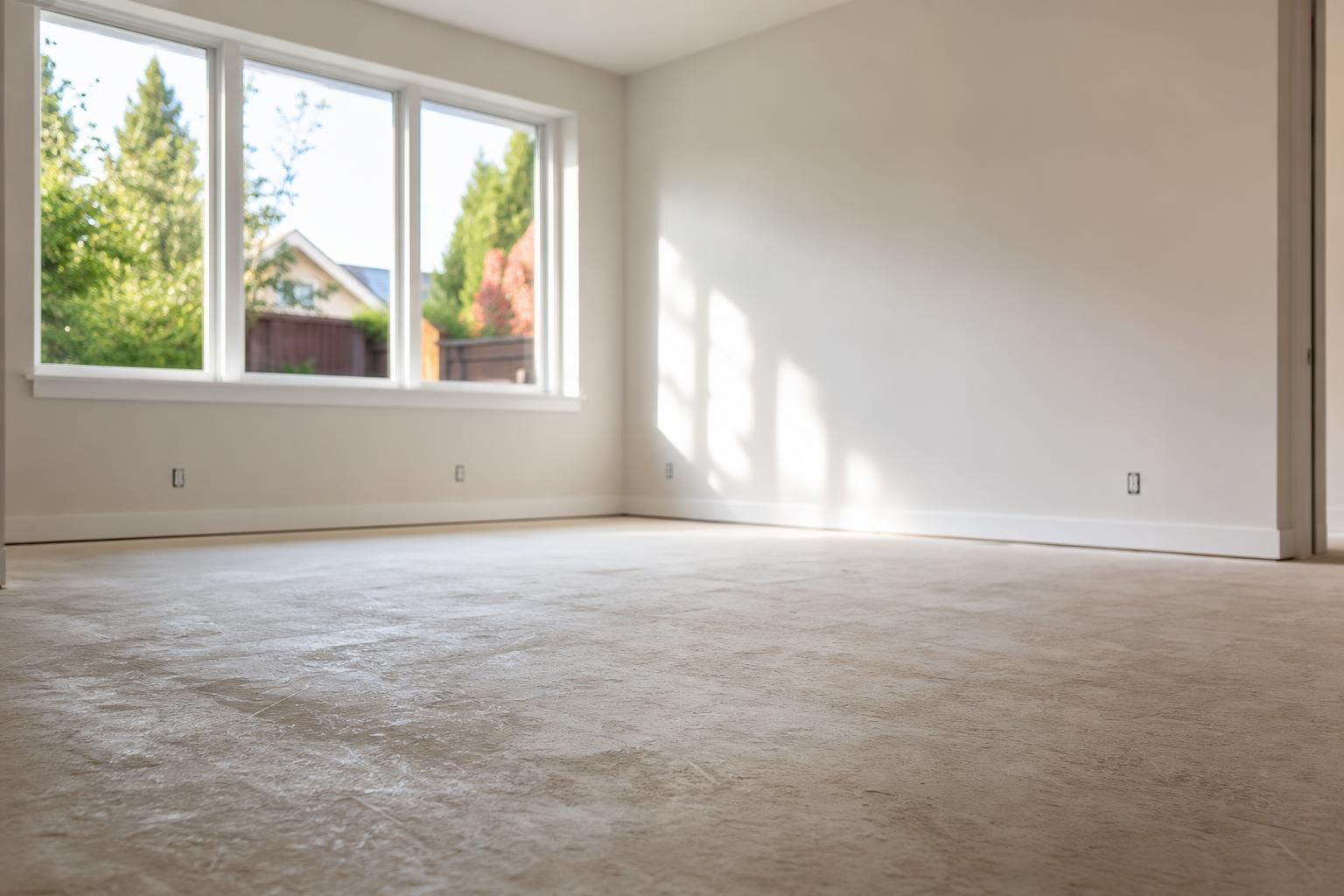
Preparing your home for a flooring installation mainly means three things: clear the rooms completely (furniture, rugs, wall art if it's near the floor), confirm your subfloor is dry and level, and set aside a safe path for materials and old flooring to move in and out. Most crews can't start demo until the space is empty, so the amount of prep work you do beforehand directly affects whether installation finishes on schedule.
Key takeaways
- Empty the room down to bare walls and remove baseboards if your crew isn't including that in the job — ask first, since a true all-inclusive quote should cover it.
- Check humidity and moisture conditions a few days ahead, especially in ground-floor or older Oʻahu homes, since excess moisture under vinyl or laminate causes long-term problems.
- Confirm in writing what's included — demo, leveling, and baseboard — so there's no surprise add-on charge once the crew arrives.
Clear the Room Completely
Installers need an empty, swept floor to work efficiently. That means moving out furniture, unplugging and relocating appliances, taking down window treatments that touch the floor, and removing area rugs. For closets, pull everything off the floor, including shoe racks and storage bins — crews typically run flooring through closets too, not just open rooms.
If you're having multiple rooms done in sequence, ask your contractor which room goes first so you can stage furniture in rooms not yet scheduled. A one-bedroom condo redo might only need a hallway and one bedroom cleared at a time, which is easier to manage than emptying the whole unit at once.
Check the Subfloor for Moisture and Levelness
Hawaii's humidity and the age of concrete slabs in many Oʻahu homes make subfloor condition the single biggest variable in how an installation goes. A subfloor that's uneven by more than about 3/16 inch over a 10-foot span, per industry flooring standards cited by the National Wood Flooring Association, typically needs self-leveling compound before new flooring goes down — otherwise seams can flex and wear unevenly over time.
Moisture is the other half of the equation. Ground-contact slabs that haven't fully cured, or units with a history of leaks, can trap moisture that eventually pushes up vinyl planks or causes laminate to swell. If you're not sure what's under your current flooring, it's worth reading up on what a moisture barrier actually does before installation day, since some products need one and others don't depending on the subfloor.
Know What "Demo and Haul-Away" Actually Covers
Ask your contractor exactly what's bundled into their per-square-foot price before you sign anything. At H&W Flooring, installation is quoted from $8 per square foot, and that figure already includes demo of the old flooring, leveling (including self-leveling material where needed), and baseboard — so there's no separate line item added later for those steps. Not every contractor prices it that way, so get the scope in writing regardless of who you hire.
If your existing floor is tile, be aware that tile demo is noisier and dustier than pulling up vinyl or laminate, and it typically takes longer per square foot. Letting your contractor know what's currently on the floor when you request a quote helps them give you an accurate number instead of a rough estimate that changes on-site.
Protect the Rest of the House
Dust and debris travel. Before installation starts:
- Seal doorways to rooms not being worked on with painter's tape and plastic sheeting if dust is a concern, particularly during tile demo.
- Cover HVAC vents in the work area temporarily so dust doesn't circulate through the system.
- Clear a path from the front door or lanai to the work area — crews need room to carry out old material and bring in new boxes, and Oʻahu's same-day-pickup model means pallets of flooring may arrive in bulk rather than a few boxes at a time.
- Arrange parking or loading zone access in advance if you're in a condo with restricted access, since many buildings require advance notice for elevator or freight use.
Decide on Color and Material Before Demo Day, Not During It
Choosing your plank color or wood tone after demo has started is one of the most common causes of schedule slippage. Settle on material, color, and plank width while the old floor is still down, so the new material is already staged and ready the moment the room is cleared. If you haven't picked a shade yet, this guide to choosing a vinyl plank color walks through how lighting and room size affect which tones read best in Hawaii's natural light.
Budget and Payment Logistics
Line up financing or payment before installation day if you're not paying in full upfront. Retail luxury vinyl plank at H&W runs $3.99 per square foot regularly, with a limited-time Black Friday promotion at $2.49 per square foot; contractors buying in volume get tiered trade pricing instead, available to DCCA-verified license holders on request. Either way, get a written quote — H&W provides one within 48 hours of a site visit or measurement — so the number you budget for matches the number you're billed. If you're financing the project rather than paying cash, it's worth comparing flooring financing options in Honolulu before work starts, since some plans require pre-approval before the crew is scheduled.
Final Walkthrough Before the Crew Arrives
The morning of installation, do a last pass: confirm the room is fully empty, check that pets are secured elsewhere in the home, and make sure there's a clear entry point for the crew and materials. Keep a copy of your written quote on hand in case questions come up about what's included versus what was discussed verbally — this avoids billing disputes after the job is done.
Frequently Asked Questions
Q: How far in advance should I clear furniture before a flooring installation?
Clear the room at least the day before, and ideally by the morning of your scheduled start time. Crews typically can't begin demo in a room that still has furniture or rugs in it, which can push your install to a later slot the same day.
Q: Do I need to remove baseboards myself before the crew arrives?
No — if your contractor's quote is all-inclusive, baseboard removal and reinstallation is part of the installation price, not a separate task for you to do. Confirm this in writing before the job starts so there's no confusion about who handles it.
Q: What should I check on my subfloor before scheduling an install?
Look for visible moisture staining, soft spots, or noticeable dips and high spots across the floor. Any of these signal that leveling compound or a moisture barrier may be needed, which affects both the timeline and final cost.
Q: Can I stay in my home during a flooring installation?
Yes, for most single-room or multi-room jobs, since work is typically contained to one area at a time. Dust and noise are more noticeable during tile demo than vinyl or laminate removal, so sealing off adjacent rooms helps keep the rest of the home livable.
Q: How do I know a flooring quote isn't going to change once work starts?
Get the quote in writing with specific line items — material cost per square foot, installation cost per square foot, and what's included like demo and leveling. A written quote delivered within 48 hours of a measurement, as H&W Flooring provides, gives you a fixed number to hold the contractor to.