What Is a Moisture Barrier for Vinyl Plank Flooring?
Key takeaway
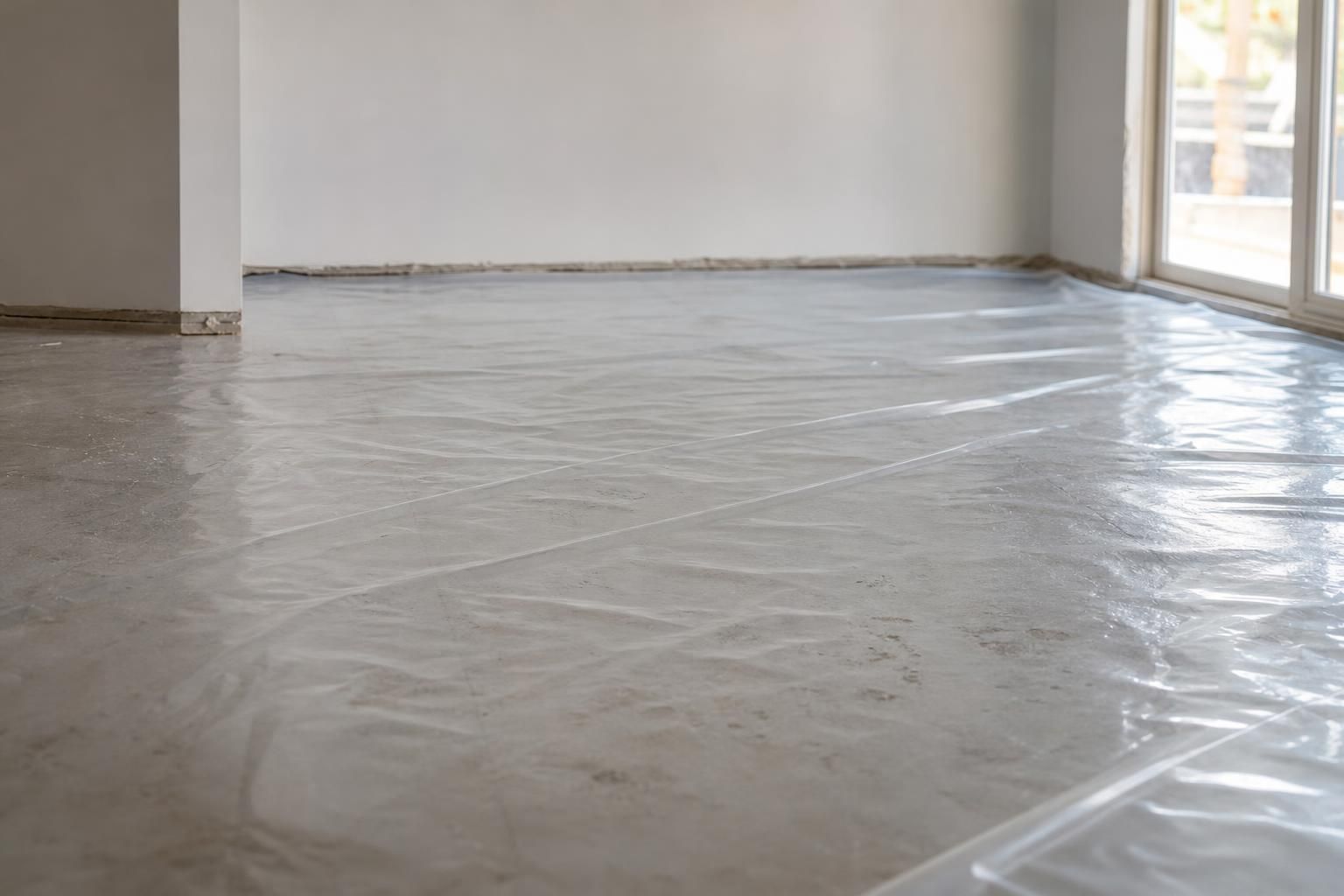
A moisture barrier is a thin layer of plastic sheeting, foil-backed film, or a vapor-retarder pad placed between a subfloor and new flooring to block water vapor rising up from concrete or damp wood from reaching the floor above. For vinyl plank, the barrier isn't protecting the plank itself — the wear layer and SPC core are already waterproof — it's protecting the subfloor, the adhesive (on glue-down jobs), and the click-lock seams from long-term moisture damage underneath. Whether you need one depends on the subfloor type, the installation method, and how much moisture vapor the slab is actually emitting.
Key takeaways
- A moisture barrier protects the subfloor and adhesive, not the vinyl plank wear layer, which is already waterproof.
- Concrete slabs on grade — common across Honolulu, including Māpunapuna — are the installations most likely to need one.
- A calcium chloride or relative-humidity test, not a guess, is the only reliable way to know if a slab needs a vapor barrier before install.
How a Moisture Barrier Works
Concrete is porous. Even a slab that looks and feels dry can be pushing water vapor upward continuously, especially on grade-level construction near sea level, which describes most of urban Honolulu. That vapor has nowhere to go once flooring is installed over it, so it collects at the subfloor-to-flooring interface. Over months or years, trapped moisture can soften adhesive, encourage mold growth in organic materials like plywood, or push up click-lock seams from underneath. A moisture barrier — usually 6-mil polyethylene sheeting, a foil-faced membrane, or an attached pad with a built-in vapor layer — physically interrupts that upward path.
The U.S. Environmental Protection Agency notes that controlling moisture is the single most effective way to prevent mold problems indoors, which is the underlying reason flooring manufacturers and installers care about vapor barriers at all — it's a mold and material-longevity issue more than a cosmetic one.
Why Vinyl Plank Still Needs One Even Though It's Waterproof
This is the point people get confused on. Waterproof vinyl plank — including rigid SPC core — resists water from above: spills, mopping, pet accidents. It does nothing to stop water vapor pushing up from below. The plank can be perfectly intact while the subfloor underneath it is degrading, the adhesive is failing, or mold is developing in the dark, humid gap between slab and flooring. If you're deciding between plank types, it helps to understand what vinyl plank flooring is made of and which layer actually does the waterproofing — it's the wear layer and core, not anything related to subfloor vapor.
Honolulu Slabs and Why Local Conditions Matter
Most single-family homes and condos on Oahu are built on concrete slab foundations, and many are at or near sea level with a high water table underneath. That combination — slab-on-grade plus tropical humidity plus proximity to groundwater — makes moisture vapor emission from concrete a routine consideration here in a way it isn't in drier climates. It's one reason local installers test slabs before quoting glue-down vinyl plank jobs rather than assuming a barrier is or isn't needed.
Click-Lock Floating Floors vs. Glue-Down Installs
The answer changes depending on installation method:
- Floating click-lock vinyl plank (including most SPC): typically installed over a thin foam or felt underlayment. Many of these underlayments already include an attached vapor barrier layer, so a separate sheet usually isn't needed — check the specific underlayment's rating before skipping it.
- Glue-down vinyl plank: adhesive bonds directly to the subfloor, so trapped moisture vapor can break down the bond over time. This is where a standalone 6-mil poly barrier, or a moisture-mitigating primer rated for the slab's vapor emission level, matters most.
- Over plywood subfloors: wood subfloors handle moisture differently than concrete, and the barrier conversation often shifts to vapor permeability and ventilation rather than a sheet membrane. If you're planning this subfloor type, see installing vinyl plank over plywood for how that installation differs from a slab.
Testing Before You Assume
Guessing whether a slab needs a vapor barrier is how floors fail years later. Two tests are standard in the flooring industry:
- Calcium chloride test (ASTM F1869) — measures how much moisture vapor emits from the slab surface over 60-72 hours.
- In-situ relative humidity test (ASTM F2170) — measures humidity levels at the depth the slab will actually reach equilibrium, considered more accurate for slabs that haven't fully cured.
ASTM International publishes and maintains both standards, and most flooring manufacturers reference one or both in their warranty requirements — meaning skipping the test can affect whether a warranty claim is honored later, independent of whether the floor actually fails.
What Happens If You Skip It When You Needed One
Skipping a needed moisture barrier doesn't usually show up as a problem on day one. It shows up months or years later as:
- Lifting or "tenting" seams along click-lock joints
- A musty smell developing under the floor
- Adhesive failure on glue-down sections, often starting at room edges
- Visible staining or discoloration bleeding through at seams
If any of this is already happening in an existing floor, the repair conversation is different from a new install — see how to repair water-damaged vinyl plank flooring for what's salvageable versus what needs to come up.
Buying Barrier Material and Planning the Job
Underlayment with an attached vapor barrier is typically priced by the box and scales with the square footage of the room, not sold as a flat add-on fee. Homeowners doing one room and contractors buying for multiple units generally buy it alongside the plank itself rather than as a separate order, since matching the underlayment to the specific plank's installation method matters. H&W Flooring stocks underlayment options on Oahu alongside its vinyl plank inventory, which matters for project timing since mainland-shipped orders can delay a job by weeks waiting on a single roll of membrane. Contractors sourcing both plank and underlayment in volume can compare options at wholesale vinyl plank pricing on Oahu.
Frequently Asked Questions
Q: Do I need a moisture barrier under vinyl plank flooring on a concrete slab?
Often yes, especially for glue-down installs, but the correct answer depends on the slab's actual vapor emission rate, which a calcium chloride or relative humidity test will show. Many click-lock underlayments already include a built-in vapor layer, which can eliminate the need for a separate sheet.
Q: Is a moisture barrier the same as underlayment?
No. Underlayment is a cushioning layer that can include a vapor barrier as one component, but plain foam underlayment without a moisture-rated layer does not block vapor on its own. Always check the underlayment's specification rather than assuming.
Q: Can I install vinyl plank flooring without a moisture barrier?
Yes, if the subfloor doesn't require one — for example, upper-floor plywood in a dry climate, or a slab that tests within the manufacturer's acceptable moisture range. The risk of skipping it on a slab that does need one is subfloor and adhesive damage that shows up months later, not immediately.
Q: How do I know if my slab has a moisture problem?
A calcium chloride test (ASTM F1869) or in-situ relative humidity test (ASTM F2170) are the standard methods; visual dryness alone is not a reliable indicator. These tests are typically done before ordering flooring so the right underlayment or primer can be selected.
Q: Does a moisture barrier affect vinyl plank's waterproof rating?
No — the plank's waterproof performance comes from its own wear layer and core material, which is unrelated to what's installed beneath it. The barrier protects the subfloor and adhesive bond, not the plank's resistance to spills or standing water on the surface.