A Practical Guide to Home Renovation on Oahu
Key takeaway
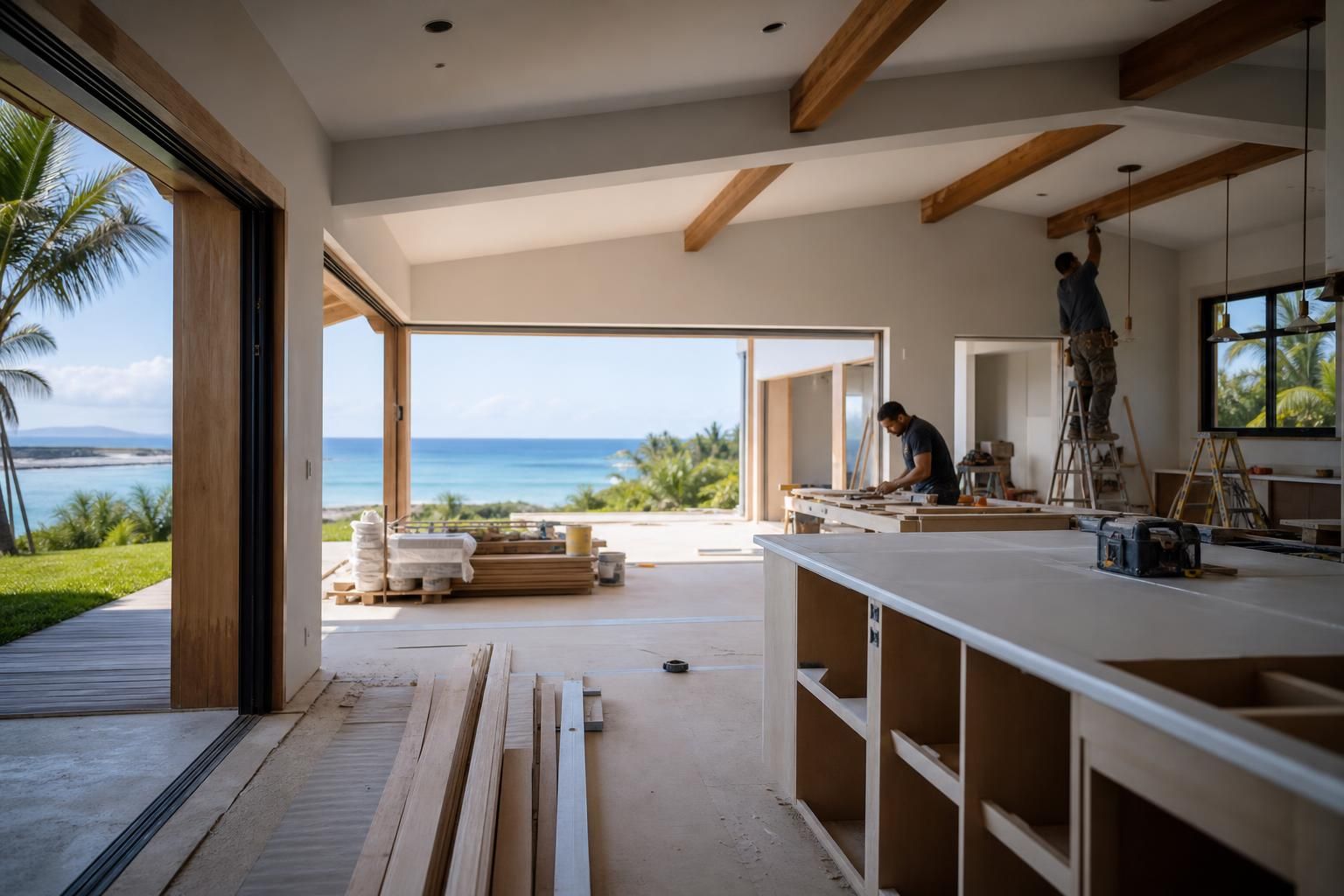
A home renovation on Oahu typically moves through three phases: planning and permitting, material selection and ordering, and installation — and island logistics affect all three, since many materials ship from the mainland with lead times of weeks, not days. The biggest cost and schedule risks are usually material delays and unlicensed labor, both of which can be avoided by checking stock availability and contractor licensing before signing a contract. Flooring, kitchens, and bathrooms are the most common single-room projects, while whole-home remodels usually combine several trades under one schedule.
Key takeaways
- Confirm a contractor's Hawaii license on the DCCA license search before signing any contract, especially for larger remodels.
- Ask suppliers whether materials are in stock on Oahu or shipping from the mainland — this single question often determines whether your project finishes in weeks or months.
- Get written quotes and compare them line by line; a quote that bundles demo, leveling, and trim into one price is easier to budget against than one with vague allowances.
Why Oahu renovations run on a different timeline than the mainland
Most flooring, cabinetry, and fixtures sold in Hawaii are shipped in from the continental U.S. or overseas, which means a special-order product can take four to eight weeks to arrive, and sometimes longer if it's backordered. That lead time is the single biggest scheduling variable in an island renovation — not labor availability. Suppliers who stock inventory locally, rather than ordering per-job, remove that variable entirely; material that's already on a warehouse shelf in Māpunapuna can go home with a contractor or homeowner the same day instead of sitting in a shipping queue.
Budgeting: what actually drives the cost
Renovation budgets on Oahu are shaped by three line items: materials, labor, and any structural or moisture work uncovered once demo starts. For flooring specifically, published per-square-foot pricing makes budgeting far more predictable than verbal estimates. As an example of how transparent pricing works in practice, H&W Flooring lists retail luxury vinyl plank at $3.99 per square foot, with a limited-time Black Friday promotion at $2.49 per square foot, and installation from $8 per square foot — a figure that already includes demo of the old floor, leveling (including self-leveling material where needed), and new baseboard, so there's no separate demo or haul-away line to negotiate later.
If you're comparing that structure to other quotes, ask directly whether demo, leveling, and trim are included or billed as add-ons — that's where many renovation budgets quietly grow. Choosing the right plank before you price the job also matters; a guide to picking a vinyl plank color can help narrow options before you request quotes.
Permits: when you need one and when you don't
The City and County of Honolulu's Department of Planning and Permitting generally requires a permit for work that changes a structure's layout, plumbing, or electrical systems — think wall removal, new bathrooms, or additions. Straightforward cosmetic work, like replacing flooring in an existing footprint or repainting, usually doesn't require a permit, but any renovation that touches plumbing for a bathroom or kitchen typically does. Condo renovations add another layer: most Oahu associations require board approval and a certificate of insurance before work begins, even for projects that wouldn't need a city permit in a single-family home.
Checking a contractor's license before you sign
Hawaii requires contractors performing work above a certain dollar threshold to hold a license issued by the state. Before hiring anyone for a renovation, search their name or license number on the DCCA's contractor license lookup to confirm it's active and matches the trade you need. This same verification step matters for wholesale flooring buyers too — most suppliers that offer contractor pricing require proof of an active Hawaii license before extending trade rates, since those tiers are reserved for verified businesses rather than one-off homeowner projects.
Bathroom and wet-area work needs its own plan
Bathrooms, laundry rooms, and lanai transitions are the parts of a renovation most likely to cause problems later if waterproofing is skipped or done poorly. Hawaii's humidity — the National Weather Service lists Honolulu's average relative humidity well above mainland norms year-round — means moisture that gets trapped under flooring or behind tile has fewer chances to dry out naturally. The EPA's guidance on moisture and mold notes that mold can begin growing within 24 to 48 hours wherever moisture is trapped, which is why wet-area membranes and proper underlayment matter more here than in drier climates. If vinyl plank is going into a bathroom or ground-floor space, understanding what a moisture barrier actually does is worth ten minutes before you pick a product.
Matching the flooring choice to the room
Not every renovation needs the same flooring. A rental unit or high-traffic hallway often calls for a rigid-core vinyl plank that resists dents and moisture, while a formal living area might still call for engineered hardwood. For homeowners weighing durability against humidity, it helps to understand how long hardwood actually holds up in Hawaii's climate before committing to a material for an entire home.
Whole-home remodels vs. single-room projects
A single-room flooring swap is usually a one- to three-day job once materials are on hand: demo, leveling, install, and trim. A whole-home remodel involving multiple rooms, a kitchen, and one or more bathrooms stretches into weeks and depends on how many trades are sequenced — electrical and plumbing rough-in has to happen before flooring goes down, not after. Contractors managing several units or a larger remodel often buy flooring at tiered wholesale pricing rather than retail, since volume buying lowers the per-square-foot cost; that pricing is generally available to licensed, DCCA-verified contractors on request, with tiers that scale by order volume rather than a flat published rate. For contractors sourcing at that scale, it's worth comparing where vinyl plank is available wholesale on Oahu before locking in a supplier.
A simple renovation checklist
- Confirm whether your project needs a Honolulu DPP permit or condo board approval before scheduling any work.
- Verify any contractor's license on the DCCA lookup, not just their business card or website.
- Ask every supplier whether your material is in stock locally or on mainland backorder.
- Get a written quote that spells out whether demo, leveling, and trim are included in the per-square-foot installation price.
- Plan wet-area waterproofing before flooring selection, not after.
Frequently Asked Questions
Q: How long does a typical home renovation take on Oahu?
A single-room flooring project usually takes one to three days once materials are in hand, while a whole-home remodel with multiple trades can take several weeks to a few months depending on permitting and material lead times. Island shipping delays for special-order materials are the most common cause of schedule slippage.
Q: Do I need a permit to replace flooring in my Oahu home?
Generally no, if the work doesn't touch plumbing, electrical, or the structure's layout. Bathroom remodels, additions, or any work changing a wall or utility line typically do require a permit from the City and County of Honolulu's Department of Planning and Permitting.
Q: How can I verify a contractor is licensed in Hawaii?
Search the contractor's name or license number on the Hawaii DCCA's contractor license lookup to confirm the license is active and covers the trade you're hiring for. This is also typically required before a supplier will extend contractor wholesale pricing.
Q: Why is waterproofing so important for Oahu bathroom renovations?
Hawaii's high year-round humidity means trapped moisture under flooring or behind tile has less chance to dry out naturally, and mold can begin forming within one to two days in damp conditions. Proper membranes and underlayment in wet areas reduce that risk significantly.
Q: Is it cheaper to buy flooring locally or have it shipped from the mainland?
Locally stocked flooring avoids mainland shipping costs and the multi-week delays that come with special orders, and often works out cheaper once delivery and delay-related labor costs are factored in. Checking local stock before ordering is one of the simplest ways to protect a renovation budget and timeline.